
Choosing the right pencils can make or break your first drawing experience. Walk into any art supply store and you face dozens of options — different brands, grades, and set sizes, all claiming to be the best. For beginners, this is genuinely overwhelming.
The good news: you do not need to spend a fortune to get started. But you do need to avoid the cheap, low-quality pencils that snap when sharpened and produce muddy, inconsistent lines. The right beginner pencil set will have a range of grades, hold a sharp point, and last long enough for you to develop real skill.
In this guide, I have reviewed the best drawing pencils for beginners in 2026 — covering everything from budget-friendly options to the gold-standard sets used by professional artists and art students worldwide. I will explain pencil grades, what to look for when buying, and exactly which sets are worth your money.
Whether you are sketching portraits, landscapes, or doodling in a sketchbook, there is a perfect pencil set here for you.
How to Choose Drawing Pencils: What Every Beginner Needs to Know
Before diving into recommendations, it is worth understanding the basics. Knowing what the numbers and letters on pencils mean — and why quality construction matters — will help you choose wisely.
Understanding Pencil Grades (H vs B)
Drawing pencils are graded on a scale from hard (H) to soft (B), with HB sitting in the middle:
- H pencils (1H-9H): Hard graphite, light marks, great for fine detail and technical work. The higher the number, the harder and lighter.
- HB: The standard writing pencil — a good all-rounder for sketching.
- B pencils (1B-9B): Soft graphite, dark and expressive marks, ideal for shading, bold strokes, and tonal drawing. The higher the number, the softer and darker.
For most beginners, a set ranging from 4H to 6B covers everything you need. You will use HB and 2B most often for general sketching, 4H-2H for light construction lines, and 4B-6B for deep shadows. To understand this in more depth, read our guide on what dry media is in art and how graphite pencils fit into the broader toolkit.
Pencil Construction Quality
Not all pencils are made equal. A quality drawing pencil has:
- A centred graphite core — off-centre cores break when sharpened
- Bonded graphite — the core is chemically bonded to the wood casing, reducing snap
- Consistent hardness throughout — so every pencil in the set behaves as labelled
- Smooth wood casing — sharpens cleanly without splintering
Cheap pencils cut corners on all four. They snap constantly, leave inconsistent marks, and waste your money. See our full list of essential art studio supplies to build a solid beginner setup.
How Many Pencils Do You Need?
A beginner set of 8-12 pencils is ideal. You do not need 20+ grades when starting out — a range of about 6 grades (e.g. 4H, 2H, HB, 2B, 4B, 6B) is more than enough. Save larger sets for when you have developed a sense of which grades you use most.
The 8 Best Drawing Pencils for Beginners (2026)
1. Faber-Castell 9000 Art Set — Best Overall
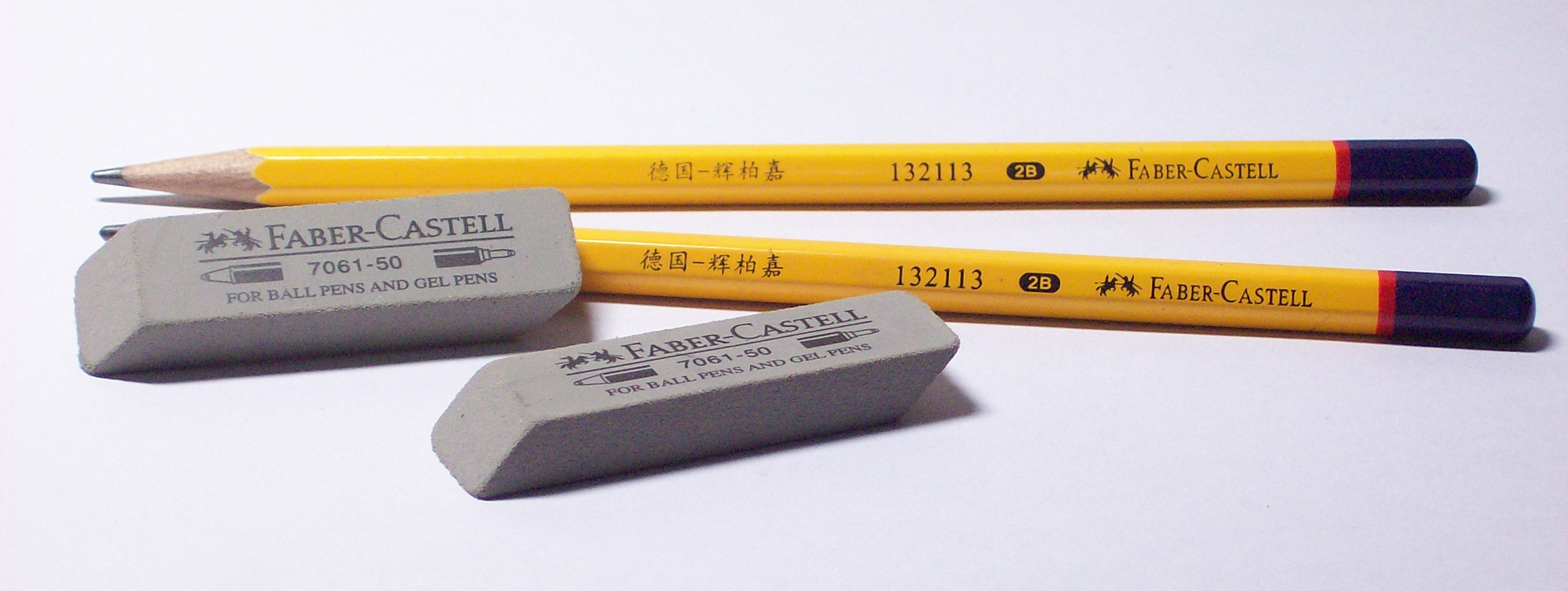
Grades included: 8B, 7B, 6B, 5B, 4B, 3B, 2B, B, HB, F, H, 2H | Set size: 12 pencils
The Faber-Castell 9000 is the most recommended beginner drawing pencil set in the world — and for good reason. These German-made pencils feature SV bonded graphite cores that virtually never break when sharpened, even at soft grades like 6B and 8B.
The graphite lays down silky smooth, with consistent tone across all grades. The 12-piece art set covers everything from ultra-light (2H) to ultra-dark (8B), giving beginners a full tonal range right from day one. The dark green hexagonal barrels are iconic, and the tin is genuinely useful for storage.
Pros:
- SV bonding means no core breakage when sharpening
- Consistent, smooth graphite across all grades
- Excellent range from 2H to 8B
- Long-lasting and durable
- Used by professionals and beginners alike
Cons:
- Slightly more expensive than budget options
- The softest grades (7B, 8B) smudge easily if you are heavy-handed
Best for: Any beginner who wants one set they will not need to replace for years.
2. Staedtler Mars Lumograph — Best for Detail Work
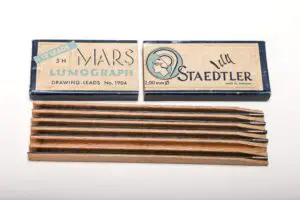
Grades included: 6B to 4H (varies by set) | Set size: 12 pencils
Staedtler Mars Lumograph pencils are a staple in art schools and animation studios for their exceptional precision. Made in Germany to tight tolerances, these pencils produce cleaner, crisper lines than almost any other brand — ideal for detailed illustration, architectural sketching, or fine line work.
The graphite is slightly harder-feeling than Faber-Castell equivalents, which some beginners prefer for more control and less smudging. The H grades are outstanding for detailed construction lines and hatching techniques.
Pros:
- Exceptional precision and consistency
- Perfect for fine lines and detailed work
- Break-resistant ABS graphite core
- Widely available in art stores worldwide
Cons:
- Slightly less buttery than Faber-Castell on the B end
- Tin can feel flimsy compared to competitors
Best for: Beginners who want to draw precisely and love fine detail.
3. Prismacolor Premier Graphite Drawing Set — Best Value

Grades included: 9B to 4H | Set size: 18 pencils
Prismacolor is best known for coloured pencils, but their Premier Graphite set is genuinely impressive — especially for the price. The 18-piece set gives you an enormous grade range at a lower cost per pencil than most competitors.
The graphite produces rich, velvety blacks at the soft end and clean, controlled lines at the hard end. These work especially well for portrait drawing and figure work where you need strong tonal contrast.
Pros:
- Excellent value for 18 pencils
- Rich, deep darks on the B grades
- Wide range including 9B for expressive work
- Good for portrait and figure drawing
Cons:
- Some users report occasional breakage on very soft grades
- Quality control can be inconsistent across batches
Best for: Budget-conscious beginners who want a wide range without overspending.
4. Derwent Graphic Pencil Tin — Best Tin Set
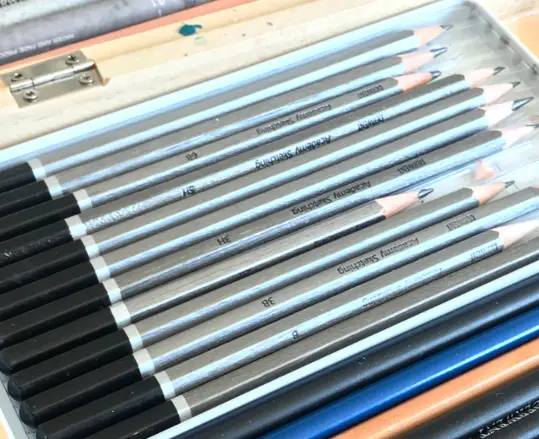
Grades included: 9B to 9H | Set size: 12 or 20 pencils
Derwent has been making pencils in the Lake District, England since 1832, and the Graphic series is their core drawing pencil line. The 20-piece tin set is a favourite in UK art schools, covering the full range from 9H to 9B.
Derwent slightly chunkier barrel suits those who find thin pencils uncomfortable, and the graphite blends beautifully for tonal shading. These pencils work brilliantly for expressive mark-making and loose, gestural drawing styles.
Pros:
- Full range from 9H to 9B
- Comfortable, slightly thicker barrel
- Smooth graphite that blends well
- Sturdy tin storage included
Cons:
- Slightly more expensive than Faber-Castell equivalent
- H grades feel quite hard compared to some rivals
Best for: Beginners who want the full grade range and a premium tin to store them in.
5. General Pencil Kimberly Graphite Set — Best American Brand
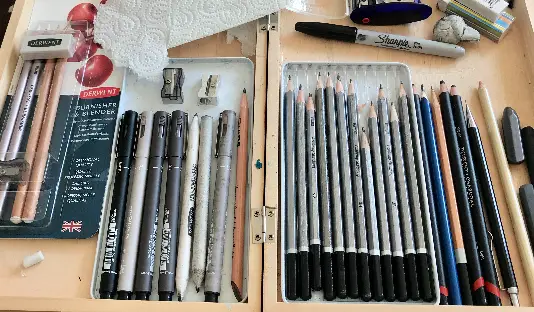
Grades included: 6B to 4H | Set size: 12 pencils
General Pencil Company has been making pencils in America since 1889, and the Kimberly series is their premium drawing line. Beloved by illustration students and comic artists, these pencils have strong, consistent graphite that holds a sharp point exceptionally well.
They have a slightly more tactile, chalky feel compared to European brands — which some artists prefer for a traditional drawing experience. They are particularly good on textured drawing paper.
Pros:
- Made in USA — great quality control
- Holds a sharp point exceptionally well
- Works beautifully on textured paper
- Good price point for the quality
Cons:
- Less widely available outside the US
- Range does not extend as far as 8B or 9B
Best for: American beginners who want to support a domestic brand, or those working on textured paper.
6. Tombow Mono Professional Drawing Pencils — Best for Clean Lines

Grades included: 6B to 4H | Set size: 12 pencils
Tombow Mono pencils are a Japanese precision product with an unusually smooth, clean graphite that makes them a pleasure to use for sketching and detailed illustration. Often overlooked in favour of European brands, they deserve far more attention.
The graphite does not crumble, produces consistent tones across all grades, and the pencils sharpen without breakage issues. If you have ever used Tombow erasers (which are outstanding), you will know the brand dedication to quality.
Pros:
- Extremely consistent, smooth graphite
- No breakage issues when sharpening
- Clean, precise lines at all grades
- Great value for Japanese-quality tools
Cons:
- Less well-known brand — harder to find in local stores
- Does not extend to very soft (8B/9B) grades
Best for: Beginners who prioritise clean, consistent lines and precise mark-making.
7. Pentel GraphGear 1000 — Best Mechanical Pencil Option
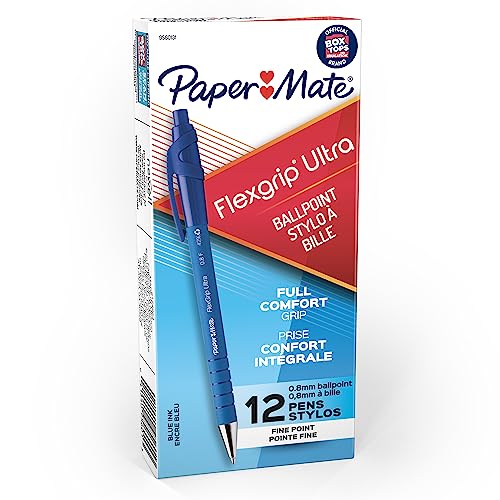
Lead grades available: HB, B, 2B | Lead diameter: 0.3mm, 0.5mm, 0.7mm, 0.9mm
Not all beginners want traditional wood pencils. The Pentel GraphGear 1000 is the gold standard for mechanical drawing pencils — it never needs sharpening and produces perfectly consistent lines every time.
The retractable 4mm sleeve tip offers exceptional precision, and the all-metal construction feels genuinely professional. It is particularly good for technical drawing and precision sketching where consistent line weight matters.
Pros:
- Never needs sharpening — always a consistent point
- Premium all-metal construction
- Retractable tip protects lead during storage
- Available in multiple lead diameters
Cons:
- Limited shading capability compared to woodcase pencils
- Lead refills are an ongoing cost
- Not ideal for practising a full tonal range
Best for: Beginners who love clean line drawings, technical sketching, or architecture and design work.
8. Dixon Ticonderoga — Best Budget Pick
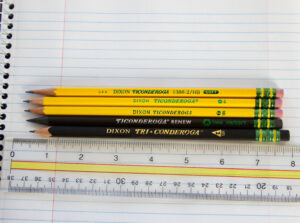
Grades included: HB, 2B | Set size: 12-48 pencils
If you want to start drawing but are not ready to invest in a premium set, the Dixon Ticonderoga is the best quality option at a budget price. These iconic yellow pencils are smooth, reliable, and produce decent marks for their cost.
They lack the full grade range or smooth graphite of Faber-Castell, but for practising basic sketches and sketchbook exercises, they get the job done. Many professional artists started their journey with a box of Ticonderogas.
Pros:
- Very affordable — great for filling a sketchbook without worrying
- Smooth graphite for the price point
- Widely available everywhere
- Decent eraser on each pencil
Cons:
- Limited to HB and 2B — no full tonal range
- Not suitable for serious shading or tonal work
- Less durable than premium brands
Best for: Complete beginners who want to try drawing before committing to a premium set.
Comparison Table: Best Drawing Pencils for Beginners
| Pencil Set | Grade Range | Set Size | Best For | Price Range |
|---|---|---|---|---|
| Faber-Castell 9000 | 8B-2H | 12 | Best overall | $$ |
| Staedtler Mars Lumograph | 6B-4H | 12 | Detail work | $$ |
| Prismacolor Premier | 9B-4H | 18 | Best value | $$ |
| Derwent Graphic | 9B-9H | 12-20 | Full range + tin | $$$ |
| General Pencil Kimberly | 6B-4H | 12 | Textured paper | $$ |
| Tombow Mono | 6B-4H | 12 | Clean precision | $$ |
| Pentel GraphGear 1000 | HB-2B (leads) | 1 pencil | Technical drawing | $$ |
| Dixon Ticonderoga | HB, 2B | 12+ | Budget beginners | $ |
What Else Do You Need Alongside Your Pencils?
Good pencils are just the start. To get the most from your drawing practice, you will also want:
- A quality pencil sharpener: A manual screw-type or sandpaper block to avoid snapping soft leads
- A kneadable eraser: Essential for lifting graphite without damaging paper. Check out our tip on how to erase pencil marks without an eraser in a pinch
- Drawing paper: Smooth Bristol board for detailed work, textured cartridge paper for expressive drawing
- A fixative spray: To prevent smudging once a drawing is finished
For a complete list of everything a beginner artist needs, see our guide to the best pencil drawing accessories.
Once you have the right pencils, you may want to explore how your sketches look as digital artwork. Artixty offers professional Sketch Photoshop Action bundles that transform your drawings into striking pencil sketch effects digitally — perfect for artists who want to present their pencil work in a polished, professional format.
Frequently Asked Questions
What pencil should a beginner start with?
Most drawing teachers recommend starting with an HB or 2B pencil. These give you enough darkness to see your marks clearly while still being easy to erase. Once comfortable, expand to a full set — the Faber-Castell 9000 12-piece covers everything you will need for years.
What is the best pencil brand for drawing?
Faber-Castell and Staedtler are widely considered the best pencil brands for drawing, by both beginners and professionals. Faber-Castell is especially recommended for beginners due to their SV bonded graphite that prevents core breakage. Derwent and Tombow are also excellent choices.
What grade pencils should a beginner buy?
A beginner should look for a set that covers at least 4H to 6B. This range allows you to draw fine, light construction lines with harder pencils and rich, dark shadows with softer ones. HB, 2B, and 4B grades will be used most often day-to-day.
Are expensive pencils worth it for beginners?
Yes — within reason. A mid-range set like the Faber-Castell 9000 or Staedtler Mars Lumograph is absolutely worth the investment over cheap budget pencils. Cheap pencils snap constantly, produce inconsistent marks, and make the learning process unnecessarily frustrating.
Can I use regular pencils for drawing?
Standard HB writing pencils can be used for basic sketching, but they are limited to one grade. You cannot create the tonal range needed for shading and realistic drawing. A drawing-specific set with multiple grades is a much better choice once you are serious about improving.
What is the difference between H and B pencils?
H stands for hard — more clay binder, less graphite, producing lighter, finer marks. B stands for black — more graphite, less clay, producing darker, softer marks. F pencils are firm and sit between HB and H. For drawing, you will use both regularly: H grades for light line work, B grades for deep shading.
How do I care for my drawing pencils?
Store pencils in a tin or pencil roll to prevent breakage. Always use a quality sharpener — blunt pencils cause heavy-handed drawing. Avoid dropping pencils, as this can fracture the internal graphite core even when the wood looks intact. Keep soft pencils (4B and above) capped when not in use to prevent smudging.
My Final Recommendation
For most beginners, the Faber-Castell 9000 Art Set is the best drawing pencil set you can buy. It covers every grade you will ever need as a beginner, the graphite is exceptional, and you will not need to replace them for years. It is the set I would give to any student starting from scratch.
If budget is a concern, go for the Prismacolor Premier Graphite 18-piece set — excellent quality for the price, with an even wider grade range.
Whatever set you choose, the most important thing is to start drawing. Good pencils help, but the skill comes from filling sketchbooks. Want to develop your technique further? Check out our guides on fundamental mark-making techniques and our full list of recommended pencils for drawing and shading.
If you enjoy the meditative side of pencil work, calligraphy and hand lettering are natural companions — both reward the same patient, deliberate approach. Lettering League’s complete calligraphy alphabet guide for beginners is a great place to explore that world, and the pencil control skills you’ve been building apply directly.
Have a question about any of these pencil sets, or a recommendation I have missed? Drop a comment below — I read every one.